Cost-Effective Strategies for Building Design: Efficient Design Solutions for Your Project
- Admin

- Apr 21
- 3 min read
When it comes to building design, balancing quality and budget is essential. I understand how important it is to create spaces that are both functional and affordable. Whether you are planning a new home, an extension, or a commercial building, adopting efficient design solutions can save you money without compromising on style or durability. In this post, I will share practical strategies that help you achieve cost-effective results while meeting your project goals.
Embracing Efficient Design Solutions from the Start
Starting with a clear plan is the foundation of any successful building project. Efficient design solutions focus on maximising space, reducing waste, and simplifying construction processes. Here are some key approaches I recommend:
Compact layouts: Designing a building with a compact footprint reduces material use and construction time. It also lowers heating and cooling costs.
Standardised dimensions: Using standard sizes for doors, windows, and structural elements cuts down on custom fabrication expenses.
Multi-functional spaces: Planning rooms that serve more than one purpose can reduce the overall square footage needed.
Passive design principles: Orienting the building to take advantage of natural light and ventilation decreases energy consumption.
By integrating these ideas early, you set the stage for a smooth build that respects your budget.

Selecting Materials and Methods That Save Money
Material choice plays a huge role in cost-effective building design. I always advise clients to consider durability, availability, and ease of installation when selecting materials. Here are some tips:
Locally sourced materials: These reduce transportation costs and support local suppliers.
Prefabricated components: Using factory-made panels or modules speeds up construction and reduces labour costs.
Low-maintenance finishes: Materials that require less upkeep save money over the building’s lifetime.
Energy-efficient insulation: Investing in good insulation lowers heating bills and improves comfort.
Additionally, working with contractors who understand these materials and methods ensures that your design is executed efficiently.
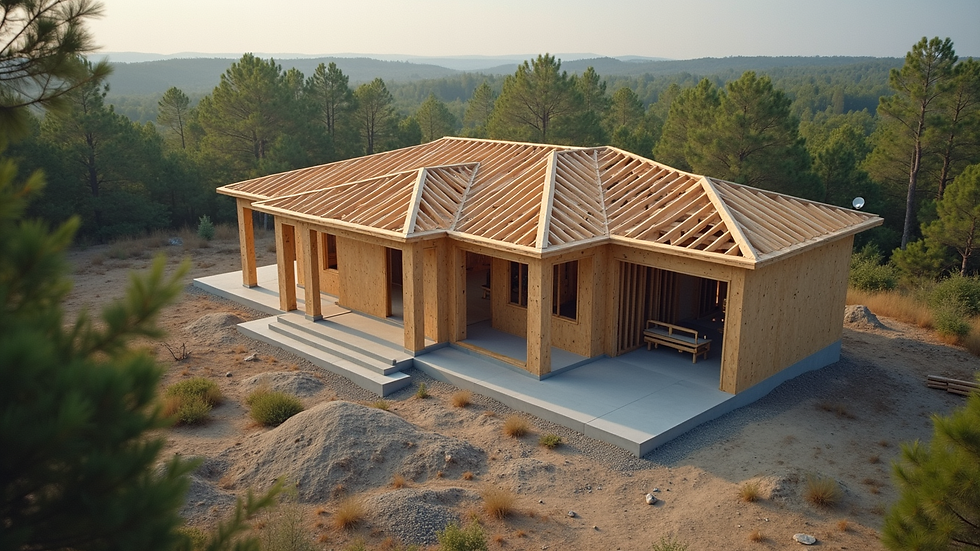
Can you build a house for 100k in the UK?
This is a common question, especially for those looking to build affordable homes. The answer depends on several factors including location, size, and design complexity. In some parts of the UK, it is possible to build a modest, well-designed home for around £100,000 by:
Choosing a simple rectangular or square plan to reduce construction complexity.
Using cost-effective materials like timber frames or modular construction.
Minimising bespoke features and opting for standard fittings.
Managing the project carefully to avoid delays and unexpected costs.
However, in areas with higher land prices or stricter planning regulations, costs can rise quickly. It’s important to work with an experienced architect who can tailor your design to your budget and local conditions.
Maximising Value Through Smart Design Choices
Beyond initial construction costs, smart design choices can add long-term value to your building. Here are some strategies I find effective:
Flexible layouts: Designing spaces that can adapt to changing needs increases usability and appeal.
Natural lighting: Incorporating large windows and skylights reduces electricity use and creates a pleasant environment.
Durable landscaping: Choosing native plants and permeable surfaces lowers maintenance and improves drainage.
Energy-efficient systems: Installing modern heating, ventilation, and lighting systems reduces running costs.
These choices not only save money but also enhance the building’s sustainability and comfort.
Navigating Planning and Regulations Efficiently
One of the biggest challenges in building design is managing planning permissions and building regulations. Delays or misunderstandings here can add significant costs. To avoid this, I recommend:
Early consultation with local authorities: Understanding requirements upfront helps avoid surprises.
Clear, detailed drawings: Accurate plans speed up approvals and reduce revisions.
Engaging experienced professionals: Architects and surveyors familiar with local rules can guide you smoothly through the process.
Considering permitted development rights: Sometimes small extensions or changes don’t require full planning permission, saving time and money.
By handling these aspects efficiently, you keep your project on track and within budget.
Bringing Your Vision to Life Without Breaking the Bank
Building a new property or upgrading an existing one doesn’t have to be overwhelming or expensive. By focusing on efficient design solutions and practical strategies, you can create a beautiful, functional space that fits your budget. Remember, the key is to plan carefully, choose materials wisely, and work with professionals who understand your goals.
If you want to explore more about cost effective building design, I encourage you to reach out to experts who can tailor solutions to your specific needs. With the right approach, your dream project in Cheshire can become a reality - efficiently and affordably.
I hope these insights help you feel confident about your next building project. Thoughtful design and smart choices make all the difference. Happy building!


Comments